2025 – A year of data progress, and Asta Vision has been at the spearhead
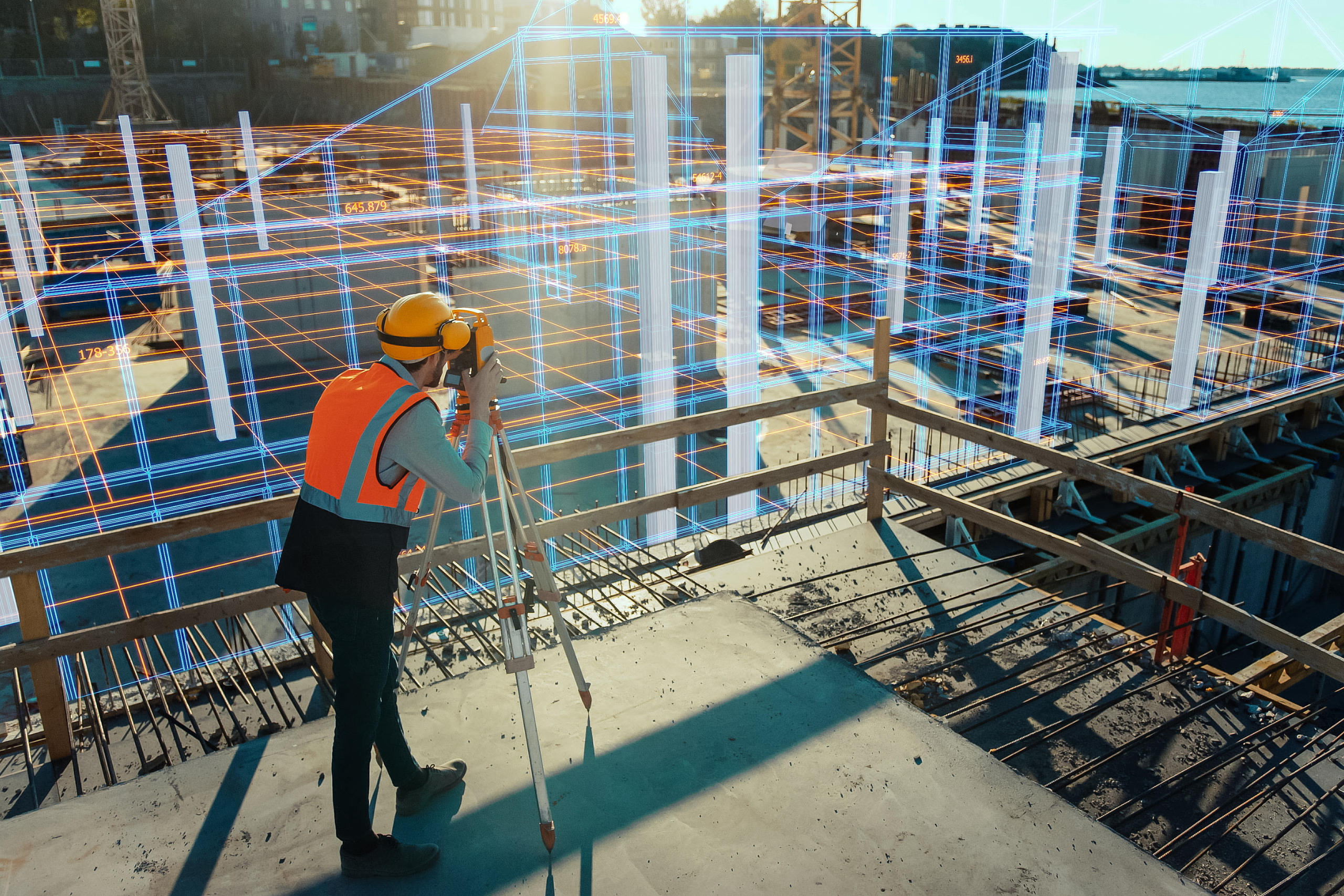
2025 has been a fast-paced year for construction planning. Projects got bigger, budgets tightened, skilled planners became harder to find, and stakeholders needed better visibility, and struggled to find it. Yet across the industry, we saw something distinctive happen; construction teams that moved beyond spreadsheets and fragmented reports began making smarter, faster decisions. Those that didn’t felt the cost.
This year, Asta Vision helped planning professionals, project directors, and C-suite leaders transform raw project data into real-time decisions that protected margins, prevented costly delays, and empowered teams to deliver with confidence.
2025: The year planning pressure went up
Construction continued to be demanding in 2025. Projects stalled, design reviews ran late, procurement hiccups cascaded through schedules, and site delays ballooned into commercial nightmares. Professionals faced a triple squeeze with increasing complexity, stretched resources, and stakeholders who wanted answers now, not in next month’s report – it’s no longer the norm to accept the lack of certainty, and people are making the move towards more proactive decision making as a result.
For planning managers, the challenge was difficult. They were managing more concurrent projects with fewer experienced planners, chasing data across email chains and spreadsheets, spending half the time compiling reports instead of solving problems. Every month, they’d piece together updates from multiple sites, guess which version was current, and pray nothing had changed between Friday’s snapshot and Monday’s board meeting.
For project directors, the frustration was different but equally real. They needed early warning signals. Which design phase was slipping? Was procurement the bottleneck? Could they move resources to prevent a delay? But instead, there were patchy monthly reports that described what happened, not what was happening. By the time problems surfaced in a report, they’d already cost days or weeks.
For C-suite leaders and board members, things were fragmented. There was visibility into individual projects maybe once a month, if the data was reliable. Comparing performance across portfolios was nearly impossible. Forecasting commercial outcomes was closer to making educated guesses based on incomplete information.
And site managers and delivery teams felt the impact too. Plans existed somewhere – on someone’s laptop, in the cloud, maybe in three different versions – but getting the latest version wasn’t guaranteed.
Centralising project data: From spreadsheets to single source of truth
The turning point for organisations that thrived came down to a simple decision, to stop managing project data as a burden and start treating it as a strategic asset.
We’ve seen Asta Vision users changed the game by bringing everything into one place. Shared templates and global libraries meant you weren’t starting from scratch on every project. Planning standards were baked in from day one. It became less about chasing data and more about scenario planning, risk analysis, and coaching delivery teams on realistic sequences.
One UK contractor we worked with moved from monthly, manually compiled spreadsheets to a live data environment serving 20+ active sites. The planners suddenly had time to do planning instead of reporting.
For project directors and construction leaders, the shift was even more dramatic. Asta Vision centralised all programme data from Asta Powerproject and connected it directly to business intelligence dashboards in tools like Power BI. This meant board meetings were no longer based on yesterday’s information, instead running on real-time data.
Teams could see which projects or phases were ahead of schedule and which were falling behind. Design delays, procurement bottlenecks, construction slippage; all visible. No drill-downs needed, no “let me check and get back to you.” That level of clarity transformed conversations from defensive to proactive.
For CEOs and board members, centralised data meant a unified view of the entire portfolio. With standardised reporting across all projects, they could now compare performance, benchmark productivity, and make informed decisions about where to deploy resources or accelerate intervention.
Moving from reactive firefighting to proactive decisions
Centralising data is only half of the full story. What made the real difference was what construction teams did with this; shift from reactive problem-solving to proactive prevention.
For planning managers, the advantage came from visibility into programme variance. Tools like “jagged line”, and “straight line” views showed immediately where time was being gained or lost. No more waiting for someone to report a late task – it was clearly visible, giving the opportunity to propose solutions before the delay cascaded.
For project directors, this meant early intervention capability. An issue with design or procurement could be caught and addressed before it impacted site costs. There was more time to have precise conversations with wider teams about root causes and what it would take to recover the time.
One construction director told us: “Asta Vision allows our teams to react to programme situations as they arise. It also allows our planners to review and provide independent assessments on the programme reporting from live projects regularly, avoiding the delay previously encountered in determining any inaccurate reporting, which led to unexpected programme failings.”
For C-suite leaders, the insight was transformative. With real-time visibility into portfolio performance, they could could forecast completion with confidence, manage risk exposure, and have board conversations backed by data, not intuition.
Empowering your teams: Especially the lean ones
2025 proved something many contractors had suspected but struggled to act on: when planners, directors, and site teams have access to clear, current information and the ability to collaborate on it together, they do better work, faster.
For planning teams, Asta Vision Live meant instead of emailing schedules back and forth or worrying about which version was live, multiple planners could now work simultaneously on the same plans in a secure, cloud-based environment. Changes appeared in real time. Everyone was on the same page.
A senior planner at one of our flagship customers said: “We can track revisions and updates on the system and access files in real time. All new team members can access a template to get standardisation across the business, which is beneficial.”
That standardisation matters more than it sounds. It means onboarding new planners faster, reducing errors, and ensuring that your company’s best practices are embedded in every project from day one, not learned ad hoc from experienced colleagues who may or may not have time to mentor.
For construction directors and regional leaders, standardised views and dashboards meant comparing how different sites, work packages, or regional teams were performing without needing each planner to explain their unique reporting format. Performance was transparent, comparable, and actionable.
For broader teams – site managers, construction supervisors, supply chain partners – clearer programme visibility and automated alerts meant fewer surprises and fewer ad hoc status emails. Everyone understood the plan and their role in it. Accountability improved because the record was clear and automated, not dependent on someone remembering to send an update.
The commercial bottom line: Time saved, risk reduced, margins protected
In construction, up to 40% of project costs are time-related. A day of delay doesn’t just mean site costs it cascades through equipment rental, staff accommodation, supply chain penalties, and sometimes contractual liquidated damages. Prevention is exponentially cheaper than cure.
2025 showed us that organisations running on real-time, centralised data made fewer expensive mistakes. They caught problems or delays early. They made smarter resource allocation decisions. They had fewer surprises when reporting to clients or lenders.
One award-winning UK contractor transformed its entire approach by connecting Asta Vision to Power BI dashboards. The shift from monthly spreadsheet reporting to live programme visibility had two immediate effects: board meetings became dynamic decision-making sessions instead of retrospective reviews, and interventions became targeted rather than guess-work. The company was shortlisted for two national awards in 2024 for its innovative data approach.
That’s not just process improvement. That’s a competitive advantage.
Looking ahead: Asta Vision Plus and the next wave
2025 taught us that construction professionals are ready to move beyond data visibility into data intelligence. Teams have asked for more than dashboards. They’ve asked for workflows that actually work, AI that amplifies expertise rather than replacing it, and planning tools that help them spend less time administrating and more time strategising.
So, we’re introducing Asta Vision Plus; for 2026 and beyond.
Workflow automation will take the manual friction out of approval processes, updates, and report generation. Imagine your planning process running on rails: someone submits an update, it’s automatically checked against your standards, routed to the right reviewers, and locked in, all without email chains or spreadsheets.
AI-augmented planning will give teams co-pilot-style assistance for schedule analysis, what-if scenarios, and risk forecasting. This isn’t about the AI making decisions for you. It’s about giving your planners and directors leverage over their data. “What if we accelerate procurement by two weeks?” Instant insights. “Which work packages are most likely to slip based on historical performance?” No guesswork.
Richer decision environments for directors and C-suite will move from descriptive dashboards (“Here’s what happened”) to predictive and prescriptive insights (“Here’s what’s likely to happen, and here’s what we should do about it”).
Importantly, Asta Vision Plus is being built directly from your feedback. Throughout 2025, planning managers, project directors, and executives told us what they needed. We listened. This next phase is what you asked for.
Your moment to shape what’s next
If 2025 taught us anything, it’s that the gap between data-driven construction organisations and everyone else is widening. Those treating programme data as a strategic asset are faster, smarter, and more resilient. Those still managing programmes in spreadsheets are getting left behind.
This isn’t about technology for its own sake. It’s about giving planning managers more time to plan. It’s about giving directors the early warning signals they need to lead with confidence. It’s about giving C-suite leaders the visibility to forecast outcomes and allocate resources strategically. It’s about giving site teams clarity on what they’re building and why.
If you’re already running Asta Vision, you’ve seen what’s possible. We want to hear about your wins, your challenges, and what you need next as we build Asta Vision Plus.
If you’re not yet using Asta Vision, 2025 is evidence of what you could unlock: real-time insights, faster decisions, protected margins, and empowered teams. Let’s talk about how we can bring that to your portfolio.
Either way, we’d love to hear from you. Share your planning pain points or success stories. Register for updates on Asta Vision Plus. Book a demo. Join the conversation about the future of construction planning.
Because in 2026 and beyond, the question won’t be whether you have data. It’ll be whether you’re using it to win.