3 Reasons Mobile Maintenance Teams Need Better Visibility in Food and Beverage Manufacturing
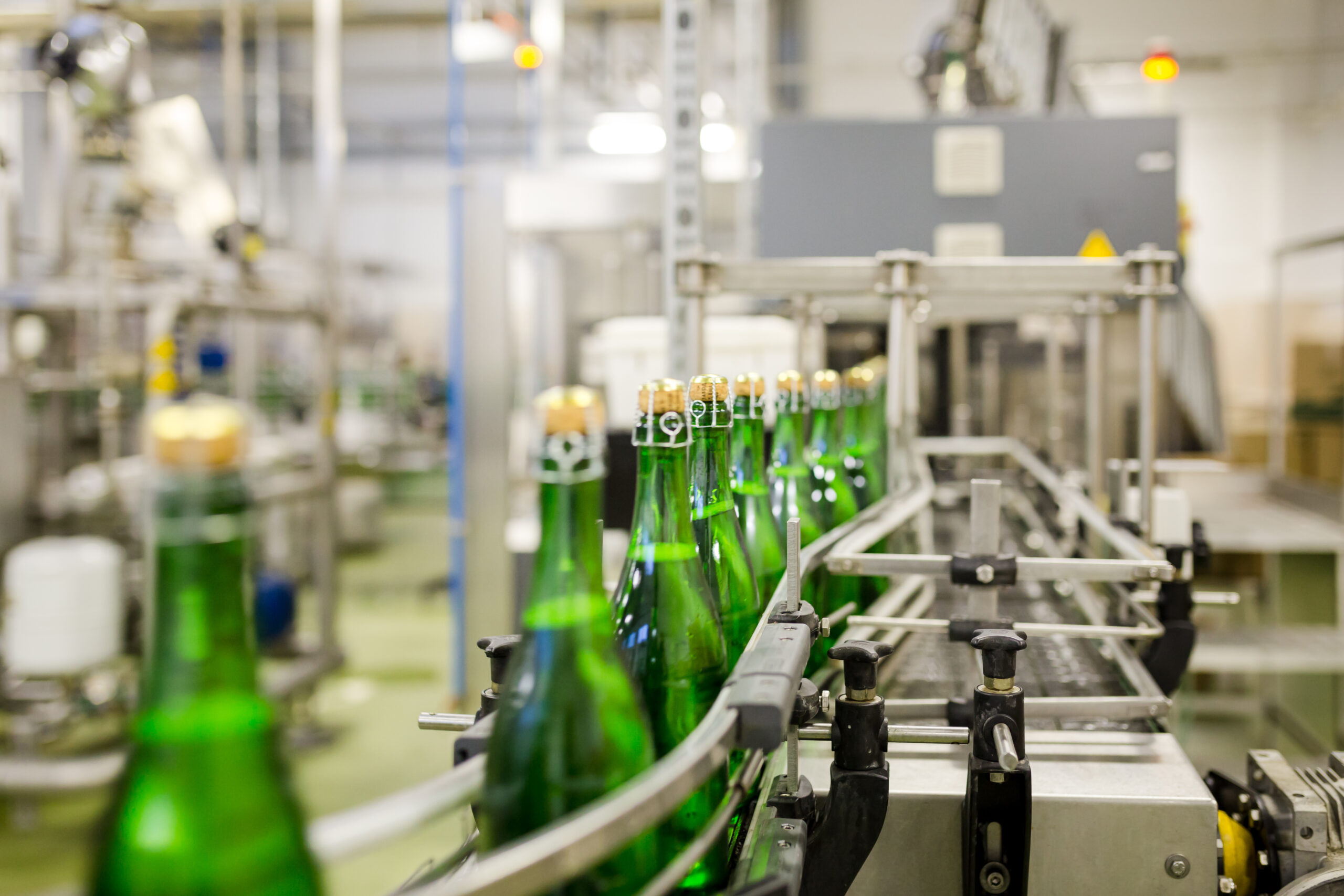
In food and beverage manufacturing, maintenance is not just about keeping equipment running. It is about protecting product quality, ensuring compliance, and maintaining continuous production in a highly regulated environment.
Mobile maintenance teams play a vital role across production lines, warehouses, and processing facilities. They are often the first responders when something goes wrong and the driving force behind preventative maintenance programmes. However, many teams still operate with limited visibility when out in the field.
Without access to real-time information, central systems, and clear communication channels, inefficiencies quickly arise. In a sector where downtime, contamination risks, and compliance failures carry significant consequences, that lack of visibility can be costly.
Here are three reasons why better visibility is essential for mobile maintenance teams in food and beverage manufacturing.
1. Faster Response Times to Protect Production and Product Quality
In food and beverage environments, unplanned downtime is more than an inconvenience. It can lead to spoiled product, disrupted supply chains, and missed delivery deadlines.
When a production line stops, maintenance teams need to act fast. But without visibility, engineers often arrive on-site without the full context. They may lack access to asset history, recent maintenance records, or details of similar faults. This slows diagnosis and increases the time needed to resolve issues.
Better visibility allows engineers to prepare before they even reach the line.
With real-time access to data via mobile devices, teams can:
- Review asset performance and maintenance history
- Access hygiene procedures, manuals, and compliance documentation
- Understand the urgency and impact of the issue on production
This enables faster, more accurate decision-making. Engineers can identify root causes more quickly and restore operations with minimal disruption.
In a sector where delays can result in wasted batches or compromised quality, improving response times has a direct impact on both profitability and brand reputation.
2. Higher First-Time Fix Rates to Reduce Waste and Cost
First-time fix rates are critical in food and beverage manufacturing. Every repeat visit increases downtime, labour costs, and the risk of product loss.
A lack of visibility is one of the main reasons fixes fail the first time. Engineers may not have full insight into the issue, may be unaware of previous interventions, or may not have the right parts or tools available.
This is particularly problematic in environments with strict hygiene controls. Each additional intervention can require cleaning protocols, production stoppages, and additional compliance checks.
With improved visibility, mobile teams can work more effectively.
Access to real-time information means engineers can:
- See detailed work orders and fault descriptions
- Check parts availability and inventory levels
- Review previous maintenance activity on the asset
This allows them to arrive fully prepared, reducing the likelihood of repeat visits. It also helps central teams coordinate resources more efficiently, ensuring the right skills and materials are deployed at the right time.
The result is fewer disruptions, reduced waste, and lower operational costs.
3. Stronger Compliance, Traceability, and Communication
Food and beverage manufacturing is one of the most tightly regulated industries. Maintenance activity must be documented accurately to support audits, food safety standards, and internal quality processes.
Without proper visibility, this becomes a challenge.
Paper-based systems or delayed updates can lead to:
- Incomplete or inaccurate maintenance records
- Gaps in compliance documentation
- Limited traceability during audits
Communication can also suffer. When teams are spread across large facilities or multiple sites, relying on manual updates or fragmented systems increases the risk of miscommunication.
Better visibility creates a connected maintenance operation.
With mobile-enabled systems, engineers can:
- Record work in real time, including parts used and actions taken
- Capture photos, notes, and compliance checks on-site
- Update job statuses instantly for full transparency
Managers and quality teams gain immediate insight into maintenance activity, making it easier to demonstrate compliance and respond to audit requirements.
At the same time, improved communication ensures everyone is aligned. Production teams, maintenance teams, and management all have access to the same up-to-date information, reducing errors and improving coordination.
Bringing It All Together
In food and beverage manufacturing, visibility is essential for maintaining efficiency, quality, and compliance.
Without it, organisations face slower response times, lower first-time fix rates, and increased compliance risks. With it, they gain the ability to act quickly, reduce waste, and maintain full control over maintenance operations.
For organisations using a CMMS like ShireSystem, enhancing visibility through mobile capabilities connects field engineers with the information they need, exactly when they need it. This supports a more proactive approach to maintenance and helps ensure production runs smoothly.
Final Thoughts
As food and beverage manufacturers continue to face pressure around efficiency, traceability, and quality, the importance of visibility will only increase.
Mobile maintenance teams are at the heart of these operations. Giving them the tools and insight they need is not just an operational improvement. It is a strategic advantage.
If your teams are still working without real-time visibility, now is the time to consider what greater insight could deliver across your production environment.
Want To Know More?
Why not get in touch or request a demo.