How Preventive Maintenance Reduces Downtime in Food & Beverage Production
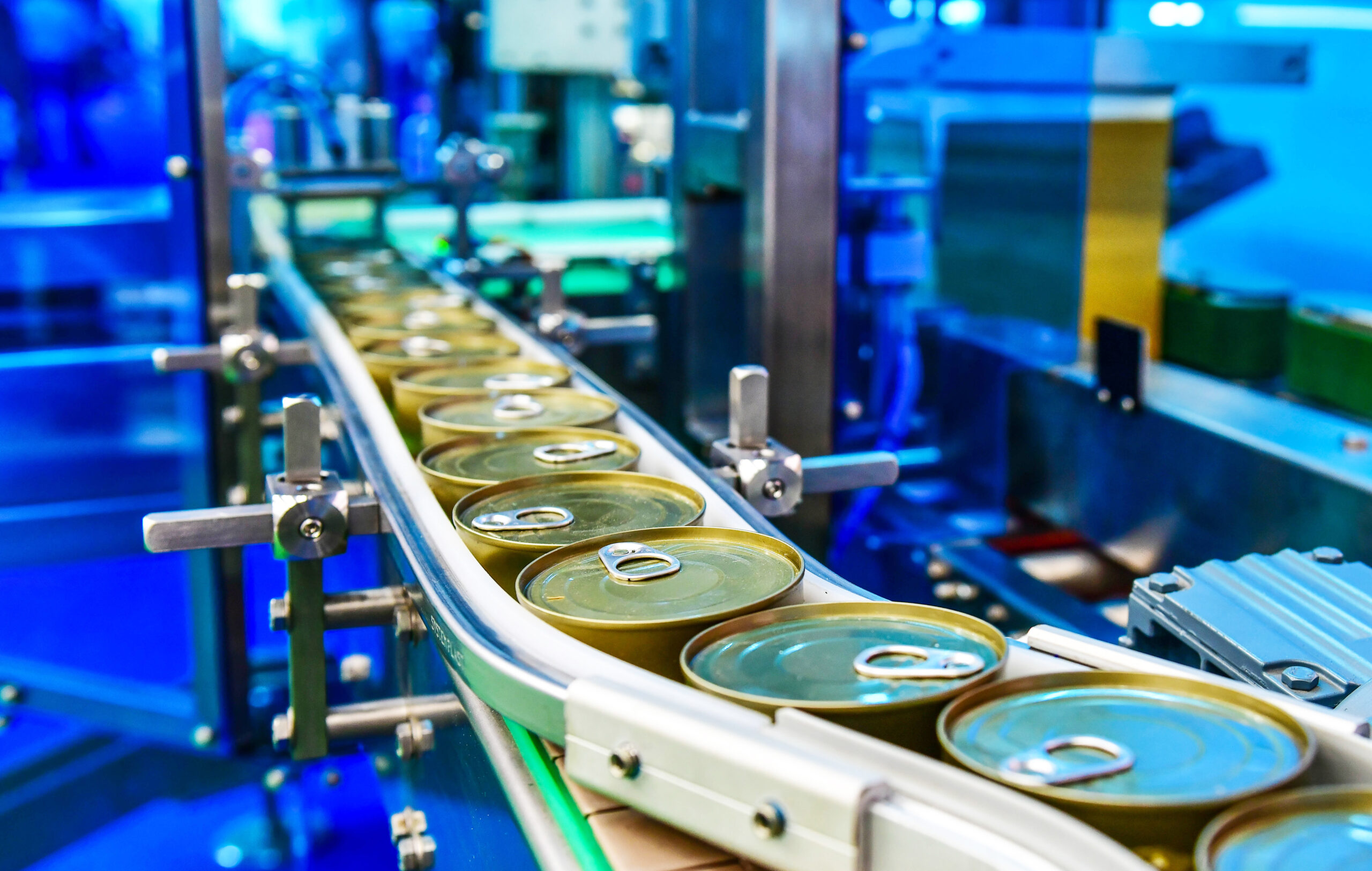
In food and beverage manufacturing, downtime is far more than an inconvenience. When production stops, the consequences can quickly escalate into product waste, missed delivery deadlines, lost revenue, and potential damage to brand reputation. With strict hygiene standards, tight margins, and high-volume output, even small equipment failures can have a ripple effect across an entire operation.
Preventive maintenance offers a practical and proven way to reduce unplanned stoppages, protect product quality, and support sustainability goals. By maintaining equipment before faults occur, manufacturers can create a more reliable, efficient, and resilient production environment. Digital tools such as ShireSystem help support this approach by enabling structured, data-driven maintenance management across the factory floor.
The True Cost of Downtime in Food and Beverage Manufacturing
Unlike many other sectors, downtime in food and beverage production can lead directly to product loss. If a filling line stops unexpectedly or a refrigeration unit fails, large batches of perishable goods can become unusable within a short time. This creates not only financial loss but also additional waste that must be disposed of safely and responsibly.
Production delays can also affect supply chains. Supermarkets and distributors rely on consistent delivery schedules, and any disruption can result in penalties or strained relationships. In a sector where consumer trust is closely tied to availability and quality, reliability is essential.
There are also compliance risks. Equipment failures can interrupt cleaning cycles, temperature controls, or quality checks, increasing the likelihood of failing audits or breaching safety standards. Preventive maintenance reduces these risks by ensuring machinery remains in optimal working condition.
What Preventive Maintenance Looks Like in Practice
Preventive maintenance is about taking action before problems occur. Instead of waiting for equipment to break down, maintenance tasks are scheduled based on time intervals, usage, or performance indicators.
In a food and beverage environment, this might include:
- Regular servicing of mixers, conveyors, and packaging lines
- Routine inspection of refrigeration and temperature control systems
- Scheduled replacement of worn components such as seals and belts
- Calibration of measurement and monitoring equipment
- Planned sanitation and cleaning procedures
By managing these activities in a structured way, production teams can plan around maintenance rather than react to unexpected breakdowns.
Reducing Wastage Across the Production Line
One of the most significant benefits of preventive maintenance is its impact on reducing waste. Faulty equipment can lead to inconsistent filling levels, damaged packaging, or contamination risks, all of which result in products being rejected.
For example, a poorly maintained filling machine may overfill containers, increasing raw material usage. Underfilling, on the other hand, can lead to compliance issues and product recalls. Both scenarios create unnecessary waste and cost.
Regularly maintained machinery runs more accurately and consistently, helping to ensure that production stays within specification. This leads to fewer rejected batches, less rework, and better use of ingredients and packaging materials.
Reducing waste is not only good for the bottom line. It also supports environmental responsibility by lowering the volume of discarded products and reducing the energy and resources required to produce them.
Supporting Sustainability Goals
Sustainability is a growing priority for food and beverage manufacturers. Consumers, retailers, and regulators are increasingly focused on environmental impact, from energy consumption to material waste.
Preventive maintenance plays an important role in helping manufacturers meet these expectations. Well-maintained equipment operates more efficiently, using less energy and reducing emissions. Refrigeration systems that are regularly checked and serviced are less likely to leak or work harder than necessary, which can significantly affect energy use.
By preventing breakdowns that lead to spoiled products, manufacturers also reduce food waste. This has a direct impact on sustainability targets and helps demonstrate a commitment to responsible production practices.
Maintenance data can also be used to identify inefficiencies. For example, if certain machines consistently require attention, it may indicate that they are reaching the end of their useful life or consuming excessive energy. This insight allows businesses to make more informed decisions about upgrades or replacements.
Improving Food Safety and Compliance
Food safety is non-negotiable in this sector. Equipment must operate correctly at all times to maintain hygiene standards and ensure that products are safe for consumption.
Preventive maintenance supports this by keeping machinery clean, functional, and compliant with regulatory requirements. Routine checks help identify issues such as worn seals, faulty sensors, or temperature fluctuations before they can compromise product quality.
Having a documented maintenance history is also valuable during audits. It provides clear evidence that equipment is regularly inspected and maintained, which supports compliance with industry standards and food safety regulations.
A digital maintenance management system helps track this information in one place, making it easier to demonstrate due diligence and respond quickly to any queries from auditors or quality teams.
Enabling Better Planning and Production Efficiency
Unplanned downtime is disruptive because it forces teams to react quickly, often halting production while engineers investigate the problem. This can lead to overtime costs, missed targets, and rushed decision-making.
Preventive maintenance shifts the focus from reactive to planned activity. Maintenance can be scheduled during quieter production periods or planned shutdowns, minimising disruption to output.
When teams know that equipment is being looked after regularly, they can have greater confidence in production schedules. This makes it easier to plan workloads, manage staffing, and meet delivery commitments.
With systems like ShireSystem, maintenance teams can schedule tasks, track completion, and monitor equipment performance across the facility. This improves coordination between production and engineering teams and helps ensure that maintenance work is carried out consistently.
Extending Equipment Lifespan
Production equipment represents a significant investment. Replacing machinery too frequently can put pressure on budgets, especially in high-volume manufacturing environments.
Preventive maintenance helps extend the lifespan of assets by addressing wear and tear early. Small issues can be fixed before they develop into major faults that require expensive repairs or full replacement.
Keeping equipment in good condition also helps maintain performance levels. Machines that are properly serviced tend to run more smoothly, produce better quality output, and place less strain on other parts of the production line.
Over time, this leads to better return on investment and more predictable capital expenditure.
Using Data to Drive Continuous Improvement
Modern maintenance management is not just about ticking boxes. It is about using data to understand how equipment performs and where improvements can be made.
By capturing information about maintenance tasks, breakdowns, and recurring issues, manufacturers can spot patterns and take action. For example, if a particular line experiences repeated faults, teams can investigate root causes and implement changes that prevent further disruption.
ShireSystem supports this approach by providing visibility into maintenance activity, asset history, and performance trends. This helps teams make informed decisions, prioritise work effectively, and continuously improve reliability.
Building a More Resilient Operation
In the fast-paced world of food and beverage production, reliability is everything. Preventive maintenance provides a strong foundation for reducing downtime, minimising waste, and supporting sustainability efforts.
By taking a proactive approach to equipment care, manufacturers can protect product quality, improve efficiency, and create a safer working environment. With the support of structured maintenance processes and digital tools such as ShireSystem, businesses can move away from firefighting and towards a more controlled, strategic way of managing their assets.
The result is a more resilient operation that can meet demand consistently, reduce environmental impact, and maintain the high standards expected across the food and beverage industry.
Want To Know More?
Why not get in touch or request a demo.